Understanding Biotin (Vitamin B7)
Biotin is a water-soluble vitamin — also known as Vitamin B7 or Vitamin H. Because the body does not store water-soluble vitamins, biotin must be absorbed daily from your diet. It is an essential vitamin that helps your body convert food — proteins, carbohydrates, and fats — into energy, and is critical for hair, skin, and nail health.
Why Is Biotin Necessary?
Biotin is necessary for your body's major systems. It is needed for the function of several carboxylase enzymes that are involved in critical metabolic processes, including glucose and fatty acid production.
Diabetes Management
Biotin can aid in the management of diabetes symptoms and helps maintain blood sugar levels in diabetic patients.
Hair & Skin Health
Biotin is essential for the production of healthy skin and hair — one of its most well-known and sought-after benefits.
Brain Function
B vitamins support healthy brain function and help manage diabetes-related neurological symptoms such as neuropathy.
Healthy Pregnancy
Biotin is essential during pregnancy. Pregnant women should consume biotin-rich foods daily and consider biotin supplements.
"Biotin helps your body convert the food you eat — protein, carbohydrates, and fat — into energy. It is an essential vitamin for hair, skin, and metabolic health."
Biotin Deficiency
Biotin deficiency is relatively uncommon. However, moderate deficiencies may occur in certain people — particularly pregnant women, those who consume a lot of raw egg white (which contains avidin, a protein that blocks biotin absorption), or those who drink heavily.
🥚 Biotin deficiency has been linked to eating two or more uncooked egg whites every day for many months. The avidin in eggs is deactivated when they are cooked — so always cook your eggs!
Renal dialysis, smoking, and genetic disorders (such as biotinidase deficiency) can all increase biotin requirements. People with inflammatory bowel disease or other disorders affecting intestinal bacterial balance may also not produce enough biotin.
Signs and symptoms of biotin deficiency include:
How to Reach Your Daily Intake
The FDA has not established a Recommended Dietary Allowance (RDA) for biotin, but 30mcg per day is recommended for adults. This amount increases to 35mcg for pregnant and lactating women.
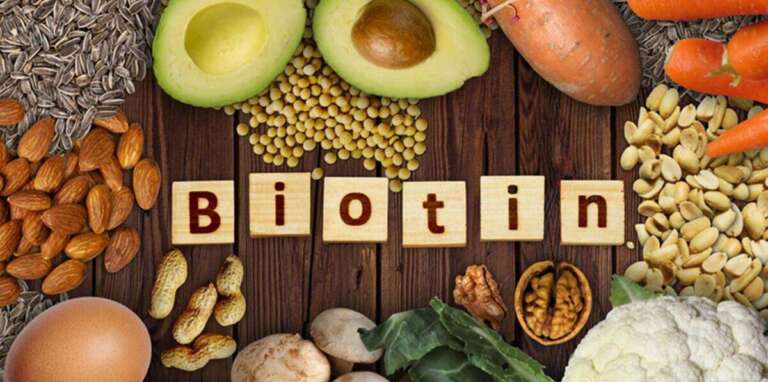
Besides biotin supplements, a biotin-rich diet is usually enough to meet the daily requirement. Key food sources include:
Side Effects & Warnings
Biotin supplements, even in large doses, tend to pose minimal risk. Since biotin is water-soluble, it is almost impossible to overdose — any excess is flushed out through urination. However, taking too much biotin supplement may still cause some side effects:
⚠️ Always consult your pharmacist or healthcare provider before starting any new supplement — including biotin — especially if you are pregnant, diabetic, or managing a chronic condition.